UK Betting Industry Warns: Affordability Checks Risk Driving Punters Straight to Black Market Shadows
Written by Rafael Schmidt · Apr 24, 2026

UK Betting Industry Warns: Affordability Checks Risk Driving Punters Straight to Black Market Shadows
The Core Warning from Industry Heavyweights
Leaders in the UK betting sector, spearheaded by the Betting and Gaming Council (BGC) alongside the British Horseracing Authority (BHA), have issued a stark alert about proposed affordability checks that demand bettors hand over sensitive financial documents like bank statements and payslips; they argue these measures will shove customers directly into the arms of unregulated black market operators, where protections vanish and risks skyrocket.
What's driving this pushback? A BGC-commissioned YouGov poll lays it out plainly, revealing that 65% of bettors would flat-out refuse to submit such personal documents just to keep placing bets, a figure that underscores widespread reluctance among everyday punters who value their privacy and convenience.
And this isn't some isolated grumble; it echoes earlier findings from the UK Gambling Commission, where data showed 77% of respondents opposing similar intrusive checks, highlighting a consistent pattern of resistance that industry observers have tracked for months now.
Polling the Punters: What the Numbers Really Say
Take that YouGov survey, for instance; it captured responses from a broad cross-section of bettors, many of whom described the document demands as a step too far, preferring instead the seamless experience offered by licensed operators who've long prioritized responsible gambling without turning every wager into a paperwork ordeal.
People who've followed these debates often point out how such polls reflect real-world behaviors, especially since black market sites thrive on anonymity, luring frustrated users with no-questions-asked access while dodging taxes and safeguards entirely.
But here's the thing: regulators aimed these checks at curbing problem gambling, yet the data suggests they might backfire spectacularly, pushing regulated revenue streams underground and leaving vulnerable players even more exposed to predatory offshore outfits.
Layered Regulatory Pressures Pile On
This affordability clash doesn't unfold in a vacuum; it collides head-on with other government moves, like the Remote Gaming Duty (RGD) hike set for April 1, 2026, when the rate jumps to 40% from its current level, a change that operators say squeezes margins already under strain from prior reforms.
Experts who've crunched the numbers note that this tax escalation, combined with friction-adding checks, could erode the industry's ability to fund British horseracing through levies and media rights deals, which pump millions back into the sport each year.
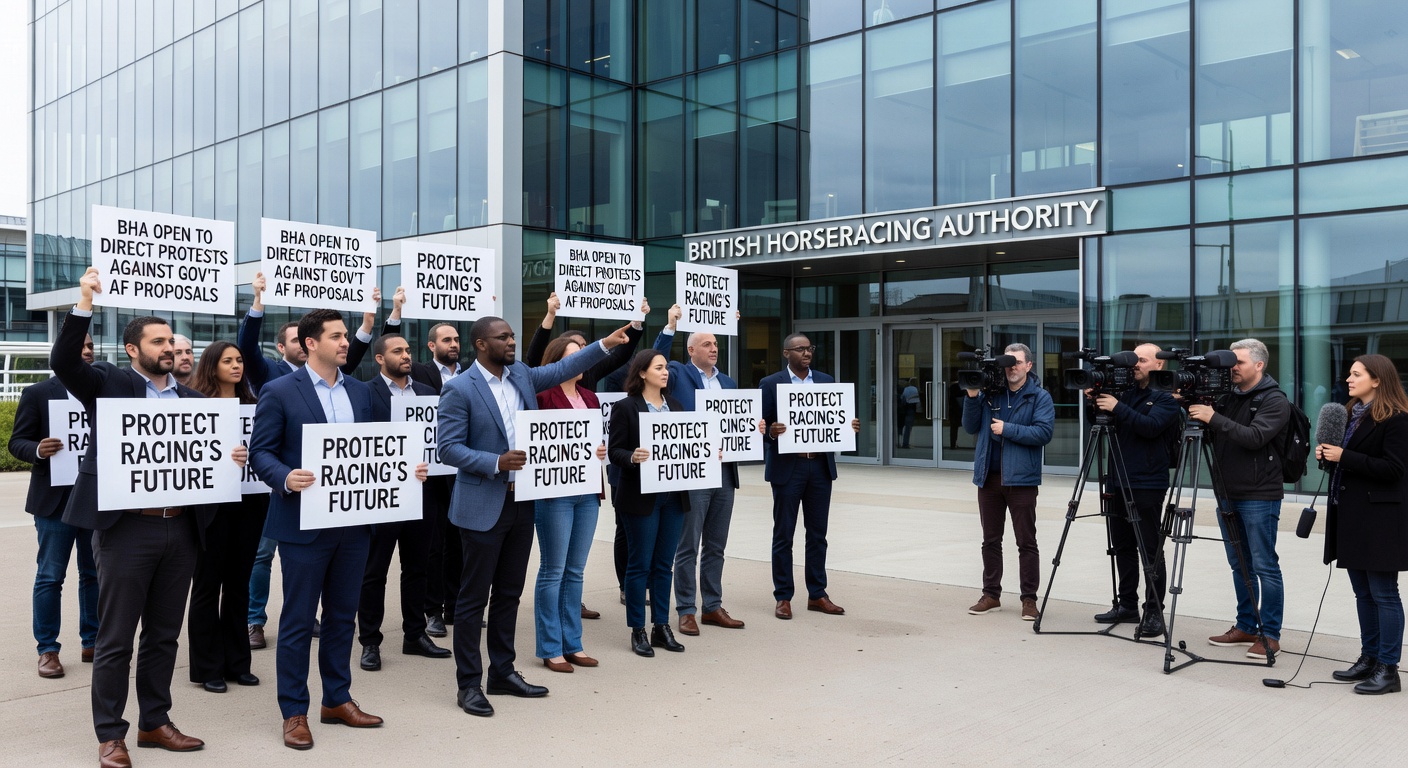
Turns out, the timing feels particularly brutal; as the RGD deadline looms just months away, the affordability rollout threatens to compound the pain, with industry leaders warning of job losses across bookmakers, tracks, and supply chains that support the ecosystem.
The Open Letter: 408 Voices Unite in Urgency
In a bold collective response, an open letter signed by 408 prominent figures from betting, racing, and related fields has landed on government desks, calling for an immediate pause on the affordability checks to allow for more measured consultation; signatories span trainers, bookies, track operators, and even some punters who've seen the front lines of these changes.
Those who've studied similar interventions abroad, like in parts of Europe where strict ID verification led to black market booms, often cite them as cautionary tales, urging UK policymakers to reconsider before irreversible damage sets in.
It's noteworthy that this letter arrives amid whispers of broader economic headwinds, where cost-of-living pressures already nudge some toward riskier betting habits, making seamless access via trusted channels all the more vital.
One case that observers reference involves smaller operators who've already trimmed staff amid regulatory creep, a preview perhaps of wider fallout if these policies barrel ahead unchecked.
Black Market Boom: The Hidden Dangers
So what happens when punters bolt for the shadows? Unregulated sites offer no age verification, no self-exclusion tools, and zero recourse for disputes, turning what starts as a privacy gripe into potential nightmares for addicts and casuals alike.
Data from enforcement bodies reveals how these operators, often based in lax jurisdictions, launder funds through crypto or vanish overnight, leaving UK authorities powerless while licensed firms foot the bill for compliance.
And while the government pushes these checks under the banner of player protection, industry data counters that licensed bookies already deploy sophisticated algorithms to flag risky behavior, investing millions annually in tools that work without invasive document hunts.
That's where the rubber meets the road: balancing harm reduction with market viability, especially as horseracing faces funding shortfalls that could shutter meets and idle stables nationwide.
Stakeholder Reactions and Broader Ripples
BHA representatives have been vocal, stressing how betting turnover directly fuels prize money and infrastructure, with any dip threatening the sport's fragile recovery post-pandemic; they've partnered wth BGC on this front, pooling resources to amplify the message through polls and letters alike.
Yet regulators hold firm for now, pointing to pilot programs where checks reportedly stemmed excessive losses, though critics dissect those trials as too small-scale to predict national impacts accurately.
People in the trenches, from shop floor staff to online compliance teams, share anecdotes of customers testing black market apps after minor frustrations, a trend that could accelerate if document walls go up industry-wide.
Now, with the RGD clock ticking toward April 2026, the ball's in the government's court; will they hit pause, or let momentum carry these reforms forward despite the gathering storm clouds?
Conclusion
The Betting and Gaming Council's YouGov findings, buttressed by UK Gambling Commission opposition stats at 77%, paint a clear picture of bettor backlash against affordability document demands, while the BHA underscores threats to racing's lifeline; add in the impending 40% Remote Gaming Duty rise on April 1, 2026, and that open letter from 408 signatories, and the stakes for the UK's regulated betting landscape have rarely felt higher.
Observers watch closely as this debate unfolds, knowing the outcome will shape not just punter habits but jobs, sports funding, and the ongoing tug-of-war between protection and prohibition; for now, the industry's unified front signals no backing down, pushing hard for a rethink before black market shadows lengthen further.
Full details on the industry's warning highlight the urgency, reminding everyone that in betting's high-wire act, one misstep could tip the balance toward unregulated chaos.