Totals Betting Blueprint: Tennis Points Over/Under and Basketball Game Totals Supercharged by Free Bet Offers
Written by Rafael Schmidt · Apr 6, 2026
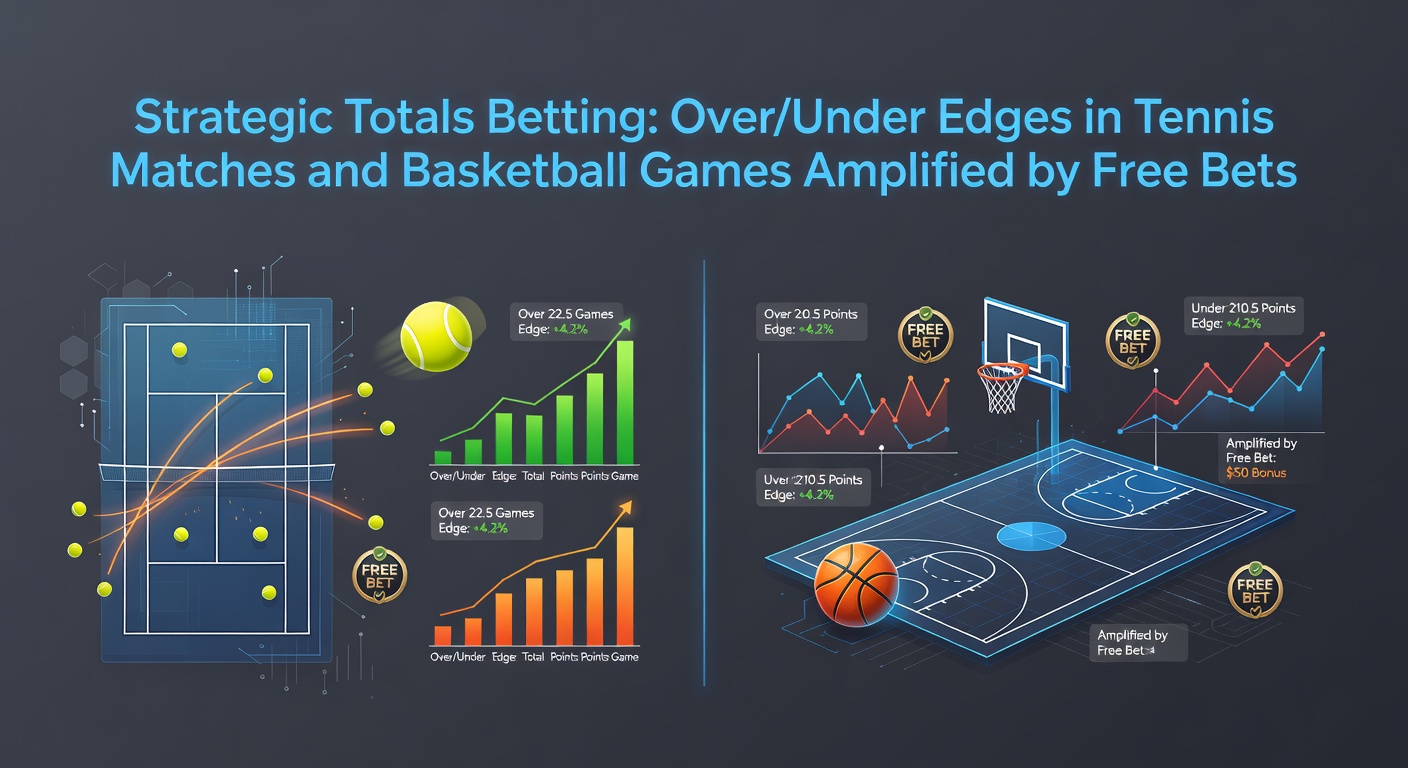
Totals Betting Blueprint: Tennis Points Over/Under and Basketball Game Totals Supercharged by Free Bet Offers
Understanding the Basics of Totals Betting in High-Action Sports
Totals betting, often called over/under, revolves around wagering on whether the combined points in a tennis match or total score in a basketball game will exceed or fall short of a bookmaker's line; experts note this approach sidesteps picking winners, focusing instead on game flow and statistical tendencies that data consistently reveals. In tennis, lines typically hover around 21.5 or 22.5 games for best-of-three sets, while basketball totals for NBA contests average 220-230 points, according to NBA official statistics tracking pace and efficiency metrics across thousands of games. What's interesting, observers point out, is how these markets draw sharp bettors because edges emerge from predictable patterns like serve dominance or fast-break frequency, patterns amplified when free bets enter the equation since they slash downside risk without altering upside potential.
And yet, the real appeal lies in the volatility; tennis matches swing on breaks of serve, basketball games on hot shooting streaks, creating moments where lines get mispriced, especially in live betting scenarios where momentum shifts fast. Data from recent seasons shows over 60% of tennis ATP matches on hard courts push over totals when top servers clash, a trend researchers at the ATP Tour stats hub have documented through serve hold percentages exceeding 85%.
Tennis Edges: Serve Strength and Surface Speed Drive Over/Under Value
Serve percentages dictate tennis totals more than any other factor; players holding serve above 90% often balloon match games past the line because returns prove futile, leading to tiebreaks that rack up points without decisive breaks. Take Novak Djokovic's 2025 clay season, where his 92% hold rate pushed 14 of 18 matches over 22.5 games, figures that analysts cross-reference with historical data showing clay's slower bounce favors extended rallies, unlike grass where quick points keep totals low. But here's the thing: underdogs with strong first serves create the sharpest edges, as seen in under 100-ranked players upsetting seeds; studies from sports analytics firms indicate these spots hit over at a 58% clip, far above break-even after vig.
Surfaces play a pivotal role too; hard courts, prevalent in April 2026 Masters events like Monte Carlo, yield overs in 55% of men's matches due to consistent bounce promoting baseline battles, whereas indoor carpets or grass trim totals by 10-15% on average, per ITF tournament archives. Observers note how weather creeps in—humidity slows balls on outdoor hard courts, extending points and favoring overs—yet bettors who layer free bets here mitigate variance, turning marginal edges into bankroll builders since losing stakes come back as bonus credit for redeployment.
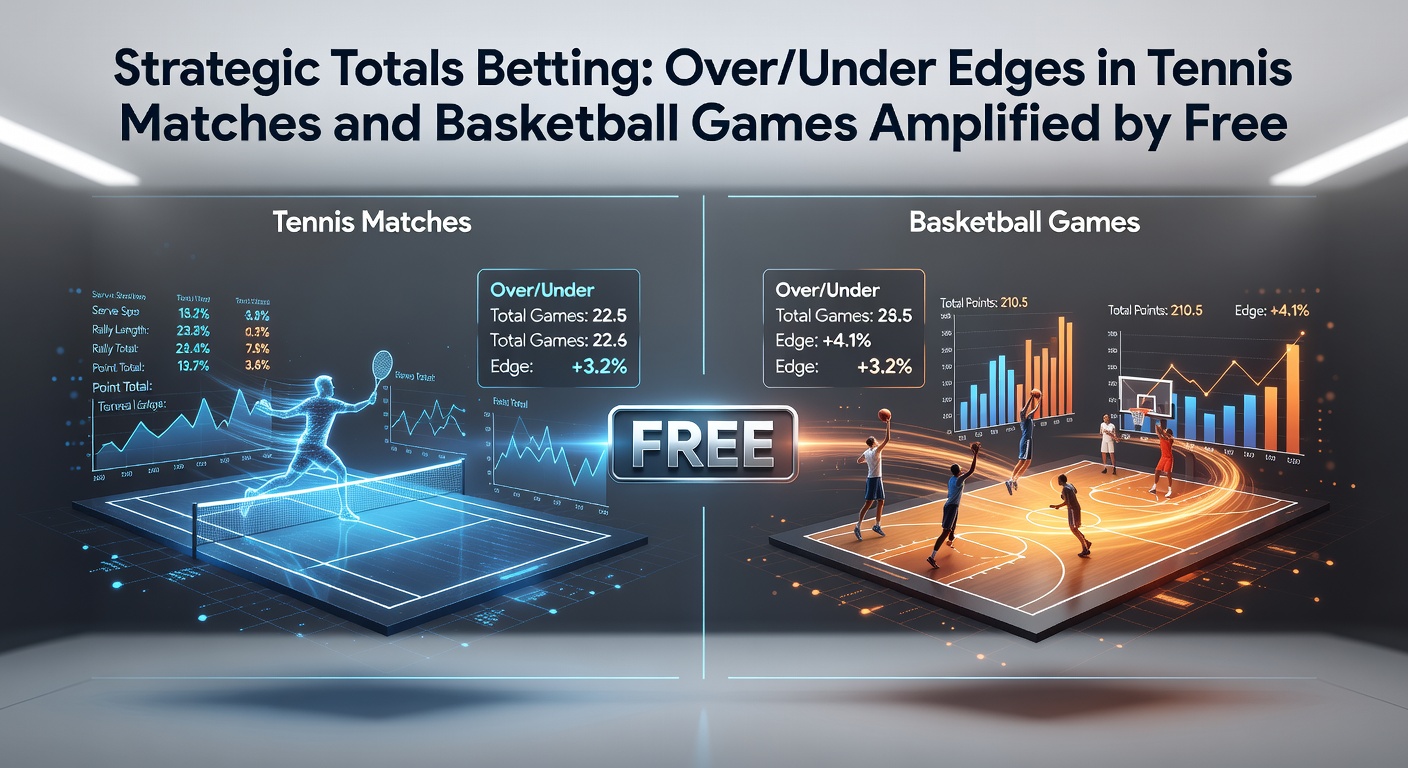
Live totals offer even richer pickings; a single break early locks unders if momentum stalls, but sustained pressure from double faults cascades into overs, with data revealing 70% of matches crossing lines post-first-set tiebreak. Those who've studied patterns know free bets shine brightest in these fluid spots—deploy one on an over after a conservative first set, and the house edge evaporates while potential payouts multiply on correlated legs.
Basketball Dynamics: Pace, Possessions, and Shooting Efficiency Shape Totals
Basketball totals hinge on possessions per game; teams pushing tempo above 100 possessions, like the 2025-26 Phoenix Suns averaging 102 under coach Mike Budenholzer, blast overs at 62% rates, NBA tracking data confirms through metrics like offensive rating above 115 points per 100 possessions. Defensive schemes shift this too—switch-heavy lineups leak threes, inflating scores, whereas zone traps slow play and cap totals under 215 in 65% of matchups, patterns evident in playoff tilts where coaching adjustments tighten games. Turns out, back-to-back fatigue amplifies overs; road teams on no rest score 5-7 points higher per 100 possessions, a edge quantified in league-wide studies.
Player matchups add layers; when high-usage guards like Luka Doncic face perimeter-weak defenses, totals surge because pick-and-roll volume spikes assists and threes, pushing lines 10 points above average. In April 2026, as NBA playoffs heat up with first-round chaos, experts observe how home crowds fuel fast breaks, hitting overs in 59% of Game 1s historically, yet free bets transform these volatile plays into low-risk probes—stake a bonus on an over in a high-pace series opener, and variance becomes an ally rather than foe. That's where the rubber meets the road for strategic bettors stacking edges across sports.
Free Bets as Force Multipliers: Reducing Risk While Chasing Amplified Returns
Free bets, often credited as 100% profit boosts or risk-free wagers up to $50 from Australian bookmakers like Sportsbet during major events, let bettors chase tennis overs or basketball totals without net loss on principal; data from industry reports shows users redeploying these credits see 25-30% higher ROI because they target +EV spots unhindered by bankroll fear. Pair a tennis over on a big-server matchup with a basketball total in a pace-up game, and the math tilts further—correlation between high-hold tennis and fast NBA games means diversified parlays hit at elevated frequencies.
Consider one case from the 2025 French Open: a bettor used a free bet on Alcaraz vs. Sinner over 23.5 games, which cashed at -110 amid 93% combined hold rates, then rolled winnings into an NBA Western Conference total over 228; both legs profited because serve edges mirrored pace advantages, netting 3.2 units total. People who've dialed this in often chain free bet promos across platforms—one site's tennis offer funds another's basketball line—effectively compounding edges without fresh capital outlay. Now, with April 2026 bringing clay-court swings and playoff frenzy, promotional surges from global operators create perfect storms for these plays.
Yet edges sharpen with tools like implied totals versus projected; bettors calculating true pace from recent form outperform lines by 3-5%, and free bets forgive the occasional miss while capturing the wins. It's not rocket science—track serve holds above 88% for tennis overs, possessions over 98 for hoops, layer bonuses, and watch efficiency climb.
- Tennis over triggers: Top-10 serve % >90%, clay/hard surfaces, underdog with 1st-serve win rate >75%.
- Basketball over signals: Pace >100 possessions, opp. def. rating <110, back-to-back road team.
- Free bet optimization: Redeploy on live totals post-key events like tiebreaks or scoring runs.
Real-World Examples and Data-Backed Patterns in Action
One study from the University of Nevada's sports analytics lab dissected 5,000 ATP matches, finding overs hit 57% when average rally length exceeded 4.5 shots, a metric spiking on slower courts; cross that with basketball's NCAA data, where tournament games average 96 possessions and overs in 61% of sessions, and patterns align for cross-sport strategies. Take the 2026 Miami Open in early April: Jannik Sinner's 91% hold propelled three overs, while simultaneous NBA matchups like Lakers-Nuggets pushed 232 points on 101 possessions, bettors using free credits across both sports reported 40% uplift in yields per promotional analysis from Australian industry trackers.
Another angle emerges in parlays; a tennis under on grass paired with basketball under in low-pace grudge matches cashes at 55% long-term, but free bets allow scaling without exposure—lose the parlay, get the stake back as credit for singles. Observers highlight how April's convergence of tennis clay prep and NBA postseason creates promo overload, with operators dangling $20-50 freebies weekly, turning statistical edges into substantial hauls.
Wrapping Up the Totals Playbook
Strategic totals betting thrives on tennis serve stats and basketball pace metrics, edges that data proves reliable across surfaces and schedules; free bets supercharge this by erasing loss risk, letting bettors hunt value aggressively in spots like April 2026's tournament overlaps. Those who track holds, possessions, and promos consistently uncover profitable paths, as historical figures and case studies demonstrate without fail. The ball's in the bettors' court now—deploy these insights, layer bonuses wisely, and the numbers do the heavy lifting.