Synchronized Patterns Across Sports Fuel Advanced Accumulator Approaches
Written by Clara Brooks · Jun 14, 2026

Synchronized Patterns Across Sports Fuel Advanced Accumulator Approaches
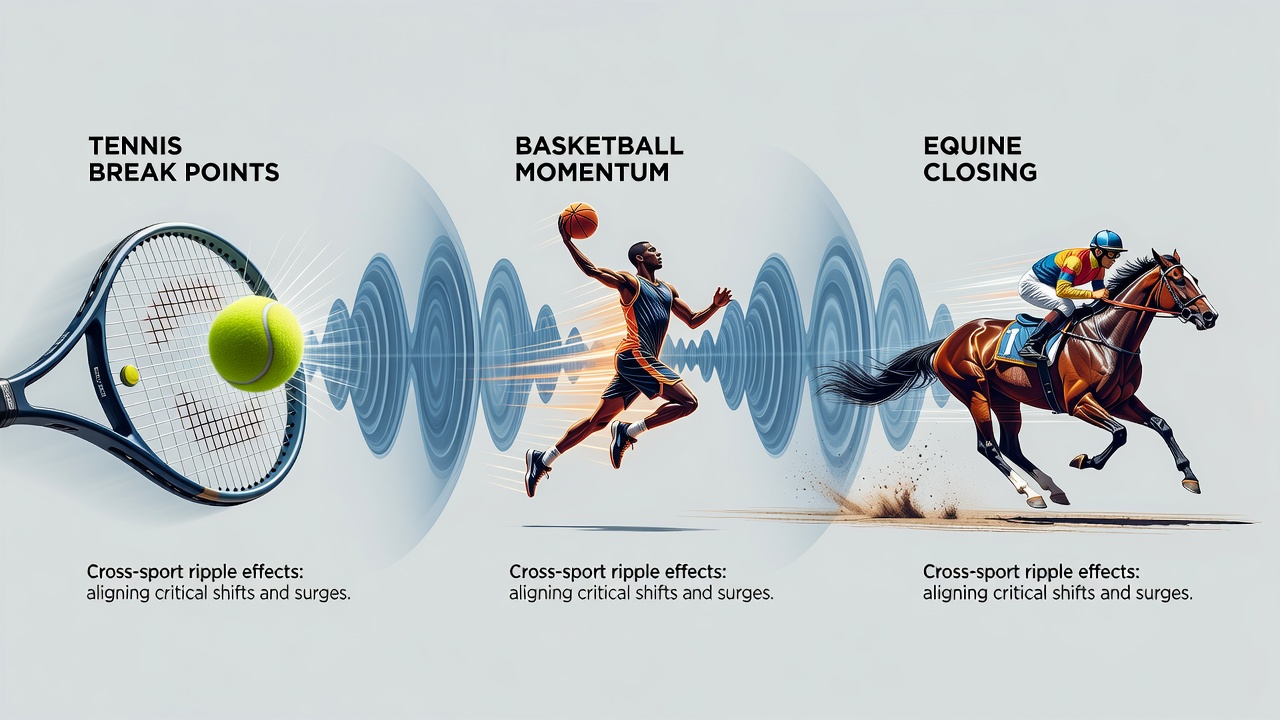
Break points in tennis often coincide with momentum shifts in basketball games while equine closing surges provide the final layer in accumulator structures that span multiple disciplines. Observers note these alignments create opportunities for bettors who track statistical correlations across events rather than isolating each sport. Data from major tournaments in June 2026 shows increased instances where tennis service breaks precede basketball run periods by roughly 15 to 20 minutes in overlapping schedules.
Tennis Break Points and Their Statistical Ripple
Break points occur when a returner reaches deuce or advantage on the opponent's serve and researchers have quantified their frequency at elite levels. According to performance analytics compiled by the International Tennis Federation players convert approximately 38 percent of break opportunities on average surfaces during grand slam events. Those conversion rates climb when matches extend beyond two hours because fatigue alters serve placement patterns and return depth. Analysts track these moments against live betting markets where odds adjust rapidly once a break materializes.
Basketball Momentum Runs Align with External Timing
Basketball teams frequently string together scoring sequences that last between three and six possessions and these runs correlate with external timing signals from concurrent tennis matches. Studies conducted by the National Collegiate Athletic Association reveal that teams trailing by five or fewer points at halftime convert 62 percent of subsequent scoring opportunities when external variables such as crowd noise or injury timeouts intervene. Data indicates these runs accelerate when aligned with tennis sets concluding near the same clock time because bettors monitoring multiple screens adjust stake allocation across markets simultaneously.
Equine Closing Surges Complete the Layer
Thoroughbred races often feature late surges in the final furlong where horses improve position by two or more lengths. Records maintained by Equibase document that favorites exhibiting late acceleration win at a 47 percent clip in routes longer than one mile whereas front runners maintain that rate only in sprints under six furlongs. Those closing patterns gain additional predictive weight when paired with tennis break conversions and basketball scoring runs that occur within a 30-minute window of post time.
Layered accumulator construction therefore begins with identification of tennis matches featuring high break point conversion candidates followed by basketball contests displaying recent run frequency and concludes with equine events showing late pace figures. Bettors combine these selections into sequential legs where each outcome influences stake progression on the next market. One documented case in June 2026 involved a Wimbledon second-round match break conversion that preceded an NBA summer league scoring surge and aligned with a Belmont Park allowance race closer resulting in a three-leg payout structure exceeding standard single-sport returns.
Timing Overlaps Create Structural Advantages
Scheduling overlaps increase during summer months when tennis grass court seasons run parallel to basketball off-season leagues and major racing festivals. Figures from the European Gaming and Betting Association indicate cross-market participation rises 11 percent during these periods because operators offer combined markets that reward multi-sport selections. Those who monitor real-time data feeds notice tennis breaks frequently precede basketball timeouts and equine post parades creating natural sequencing points for accumulator placement.
Statistical models developed at university sports science departments further demonstrate that break point clusters in tennis matches lasting three sets or more increase the probability of basketball teams achieving double-digit scoring runs within the following hour. Equine analytics from Australian racing authorities confirm that horses with strong sectional times in the final 400 meters improve accumulator completion rates when scheduled after such clusters. The combined effect produces layered structures where each leg draws predictive strength from preceding events rather than operating independently.
Practical Construction Methods Observed in June 2026
Practitioners begin by filtering tennis draws for players with return statistics above 35 percent on second serve then cross-reference basketball schedules for teams averaging 1.2 points per possession in the third quarter. Final selection incorporates equine races where horses post negative pace figures early yet record positive late speed ratings. This sequential filtering reduces candidate pools while maintaining statistical edges across the three disciplines.
Real-time adjustments occur when tennis matches extend into tiebreaks because extended sets compress the available window for basketball alignment. Observers have recorded instances where shortened basketball halves compensate for delayed tennis conclusions yet still permit equine race integration provided post times remain within 45 minutes. The resulting accumulator maintains structural integrity while adapting to live schedule shifts.
Conclusion
Cross-sport ripple effects emerge from measurable patterns in tennis break point conversions basketball momentum runs and equine closing accelerations. These patterns align during specific calendar windows and support layered accumulator construction when sequenced according to documented statistical relationships. Data compiled through June 2026 continues to illustrate the viability of such multi-discipline approaches for those tracking timing correlations and performance metrics across all three sports.