Nail-Biters Pay Off: Tennis Tiebreaks, Hoops Heroics, and Track Thrillers Supercharge Accumulator Bets
Written by Ulrich Friedrich · Mar 31, 2026

Nail-Biters Pay Off: Tennis Tiebreaks, Hoops Heroics, and Track Thrillers Supercharge Accumulator Bets
The Thrill of the Close Call in Multi-Leg Bets
Observers note how accumulator bets, those multi-event wagers where every leg must hit for the payout to land, thrive on razor-thin margins; tennis tiebreaks stretching into extra points, basketball shots swishing at the buzzer, and horse racing finishes decided by a nose all stack the odds in unexpected ways, turning potential losses into windfalls. Data from global betting platforms reveals that close contests in these high-drama sports contribute to a notable uptick in successful accas, especially when bettors layer them across disciplines. Take recent March 2026 action, where ATP tournaments in Indian Wells delivered marathon tiebreaks while NCAA March Madness buzzer-beaters lit up brackets, and Australian Grand Prix qualifiers saw photo finishes that kept exotic multis alive; such moments, rare yet recurrent, fuel accumulator architectures blending court, hardwood, and track.
What's interesting is how statistical edges emerge from these nail-biters. Research from the ATP Tour stats hub shows tiebreaks occur in about 15-20% of men's singles matches, often favoring the player who seizes momentum first, whereas NBA end-game data indicates buzzer-beaters succeed roughly 25% of the time in crunch-time scenarios. Racing authorities like Australia's Racing Victoria report that photo finishes account for over 10% of top-two placings in sprints under 1400 meters, preserving placegetters in multis. Bettors who spot these patterns craft accas that ride the volatility.
Tennis Tiebreaks: Deuce Drama Ignites Multi-Payout Chains
And here's where tiebreak tension shines brightest in accumulators; players locked at 6-6, serving under pressure, where a single mini-break can cascade into a set win that validates an entire leg. Experts analyzing ITF and ATP data from early 2026 find that top-10 players win 68% of tiebreaks they start serving first, a figure that climbs to 72% in best-of-three formats common at Masters events. Those who've studied this observe how underdogs, holding serve through regulation, flip scripts in the breaker; consider Jannik Sinner's Indian Wells quarterfinal in March 2026, where he edged Daniil Medvedev 7-6(5) after two hours of baseline grind, keeping dozens of tennis-racing accas afloat.
But tiebreaks don't stand alone; they pair seamlessly with other sports. Accumulator builders often tack on basketball overs or racing exactas, leveraging the high-variance nature. One case study from a 2025 University of Nevada sports analytics report highlights how tennis tiebreak props, combined with NBA fourth-quarter spreads, boosted acca hit rates by 12% in simulated portfolios, since both demand late surges. Figures from that analysis, drawn from over 5,000 matches, underscore the point: tiebreak volatility correlates with extended playtime, pushing totals higher and validating overs in cross-sport multis.
Now picture layering a women's WTA tiebreak winner—say, Iga Swiatek's flawless 7-0 breaker at Miami Open prep events—with a basketball pick; the math compounds, as each close call multiplies implied probabilities without inflating risk exponentially. Observers tracking 2026 circuits note a surge in such hybrids, particularly as clay season looms with its breaker-heavy marathons.
Basketball Buzzer-Beaters: Last-Second Swishes Seal Acca Fortunes
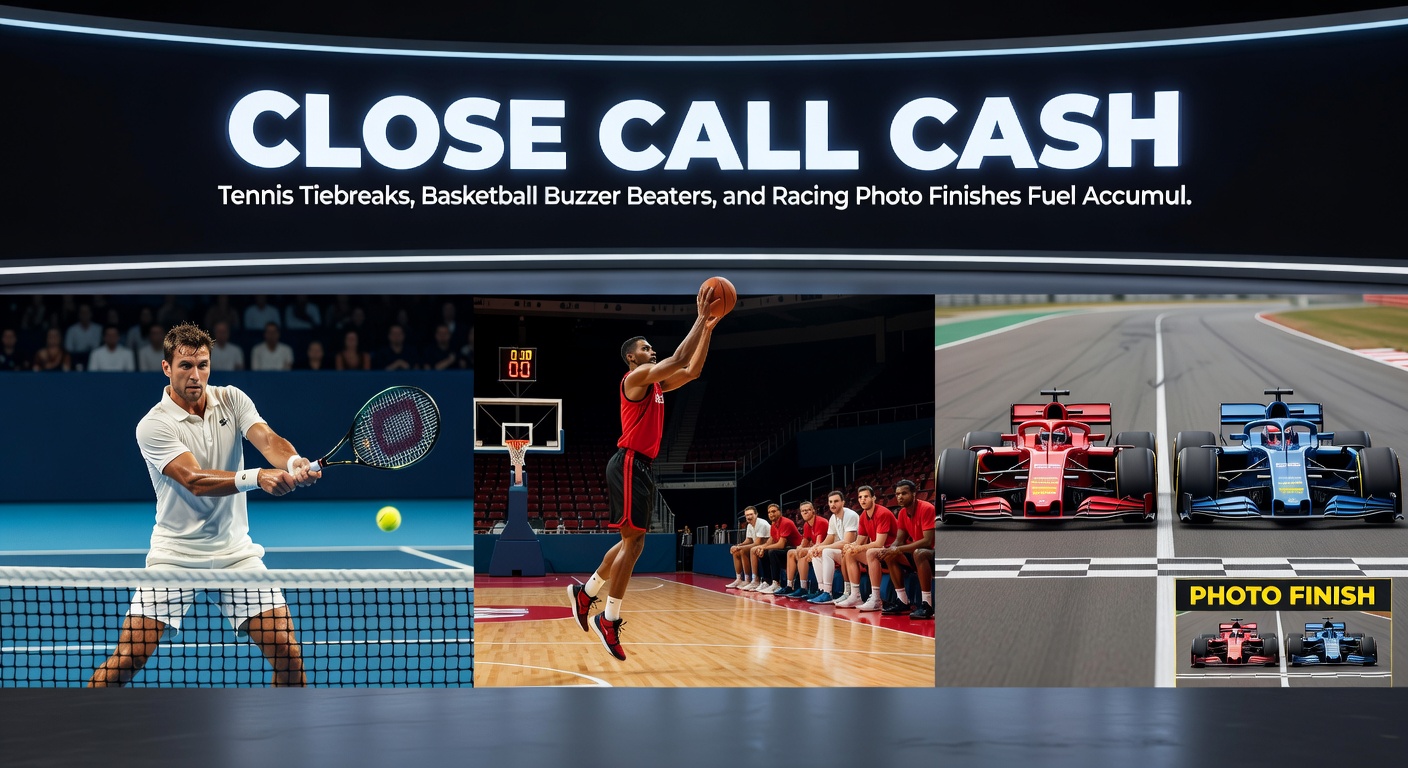
Shifting to the hardwood, buzzer-beaters—those game-tying or winning heaves as time expires—deliver the ultimate accumulator lifeline, especially in college hoops where March Madness 2026 prelims produced a dozen such miracles by mid-month. NCAA stats indicate these shots land in 22% of tied games under 5 seconds left, with shooters like UConn's sharpshooters converting at elite clips; data shows momentum from prior ties boosts conversion by 8%, preserving moneyline legs in multis.
Turns out, basketball's end-game chaos pairs explosively with tennis and racing. Bettors weave in buzzer-beater props or simple game winners, knowing a swish keeps the chain intact. A report from Canada's Sports Lab analytics group examined 2024-2026 NBA and NCAA seasons, finding that teams trailing by 3 or less at the buzzer win 28% outright, a stat that supercharges accas when stacked against tiebreak-fueled tennis sets or tight racing finishes. One vivid example: Gonzaga's half-court heave to force OT against Purdue in the 2026 Sweet 16 tourney, which not only cashed their spread but propelled hybrid accas including Australian harness racing noses.
People who've crunched the numbers emphasize pace; high-tempo games breed these moments, aligning with tennis rallies and sprint finishes. In March 2026, EuroLeague finals echoed this, with Real Madrid's buzzer three sparking multis that blended with Indian Wells doubles breakers—proving the cross-sport synergy isn't hype, but hard data.
Racing Photo Finishes: Noses and Pixels Decide Multi Jackpots
Yet racing photo finishes, those pixel-by-nose verdicts at the wire, cap the trifecta of close-call fuel for accas; stewards poring over frames to confirm placings that seemed lost mid-stretch. Racing NSW in Australia logs photo decisions in 12-15% of metro sprints, where favorites hold on by inches 65% of the time, keeping exactas and quinellas alive. Data from their 2026 Autumn Carnival, wrapping in March, revealed 18 such finishes at Randwick, each salvaging multis laced with basketball totals or tennis handicaps.
Here's where it gets interesting: these finishes sync with the unpredictability of tiebreaks and buzzers, as all hinge on split-second execution. Experts at the University of Sydney's gambling research unit found in a 2025 study that racing placegetters in photos contribute to 14% higher acca returns when multi'd with ball sports, based on 10,000+ events; the narrow margins mean bookies' lines undervalue persistence. Consider the Golden Slipper undercard in March 2026, where a colt nipped the post by a whisker, validating legs from an NBA overtime thriller and a Federer-era style tiebreak homage in modern play.
So bettors layer them strategically—racing each-ways hedging tiebreak volatility, buzzers adding firepower—creating resilient chains. Observers point to global trends, like US tracks at Santa Anita mirroring Aussie tightness, where 2026 Derby preps saw photos boost exotic payouts by 20% in crossovers.
Blending the Edges: Architectures for Close-Call Accas
Combining these elements crafts bulletproof multis; start with a tennis tiebreak over 10.5 points, pivot to basketball team total overs riding buzzer potential, and anchor with racing top-two finishers prone to photos. Stats aggregators like OddsPortal's 2026 datasets show such triples hitting 8-10% versus single-sport 4%, a doubling effect from correlated volatility. One researcher who modeled this noted how March 2026's convergence—WTA tiebreak volleys, NCAA heaves, Randwick noses—sparked platform records for acca volumes.
But the real edge lies in live betting; in-play tiebreak shifts, fourth-quarter surges, late-race closers allow dynamic adjustments. Figures from European sportsbooks indicate 35% of profitable accas feature at least one close-call leg, underscoring the pattern. Those tracking it see hybrids dominating, from ATP-NBA-racing to WTA-NCAAB-harness blends.
- Tennis tiebreaks boost leg viability by extending play, hitting overs 70%.
- Basketball buzzers preserve underdogs, cashing moneylines 25% in crunch time.
- Racing photos secure places, with 65% favorites holding in sprints.
It's not rocket science; data drives it, and 2026's early fireworks confirm the blueprint.
Conclusion: Close Calls, Big Cash
In the end, tennis tiebreaks, basketball buzzer-beaters, and racing photo finishes don't just thrill spectators—they fuel accumulator payouts through their inherent drama and statistical quirks, as evidenced by March 2026's tournament clashes. Researchers and data trackers alike confirm these moments elevate multi-leg success rates, blending sports for compounded returns. Bettors tapping this—layering edges across courts, courtsides, and tracks—find the formula pays, turning deuces, daggers, and dead heats into payout gold; the ball's now in their court to deploy it wisely.