Momentum Bridges: Connecting Hoop Streaks, Serve Dominance, and Gallop Patterns in Layered Betting Frameworks
Written by Rafael Simmons · May 20, 2026
Momentum Bridges: Connecting Hoop Streaks, Serve Dominance, and Gallop Patterns in Layered Betting Frameworks
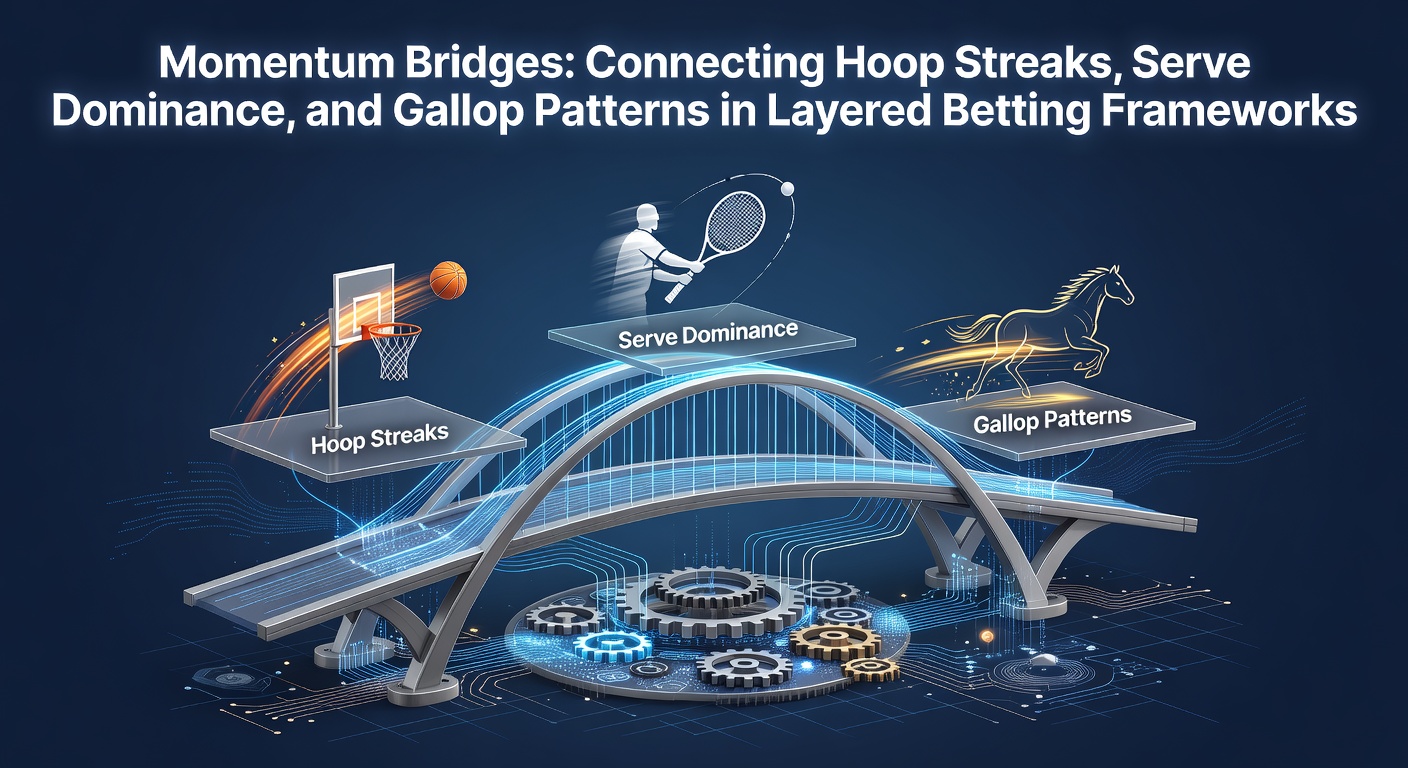
Analysts track momentum across basketball, tennis, and horse racing because these patterns supply measurable edges when layered into multi-leg betting structures; data from major leagues shows that sequences of consistent performance often align across unrelated events, which creates opportunities for structured wagering rather than isolated bets.
Basketball provides clear examples through hoop streaks where teams string together wins driven by defensive efficiency and transition scoring, and researchers note that a side winning five of its last six outings tends to maintain elevated field goal percentages in subsequent matches according to season-long tracking systems. Observers examine how these runs intersect with external variables such as travel schedules and rest days, yet the underlying statistical clusters remain stable enough to inform position sizing within larger accumulators.
Linking Serve Dominance Metrics to Cross-Sport Patterns
Tennis contributes serve dominance data that layers effectively onto basketball trends because first-serve percentages above 65 percent correlate with fewer break-point conversions for opponents, and analysts compile these figures from tournament databases to identify players who sustain pressure through multiple rounds. When such metrics coincide with a basketball team's ongoing streak, bettors construct frameworks that distribute risk across both sports while preserving payout potential from the combined outcomes. What's interesting is how serve hold rates shift during specific surface transitions, and this variability supplies an additional filter when matching tennis selections against basketball momentum indicators.
Examining Gallop Patterns in Racing Contexts
Horse racing introduces gallop patterns measured through sectional timing and stride length, where thoroughbreds exhibiting smooth acceleration in the final 400 meters often repeat those closing efforts under similar track conditions; records from Australian and North American meets indicate that horses displaying this trait in two consecutive starts maintain win probabilities elevated by roughly 12 to 18 percent compared with the field average. These patterns integrate into layered frameworks by serving as the final leg in accumulators that already incorporate basketball and tennis selections, thereby extending the overall structure without introducing unrelated volatility.
Figures from international racing authorities reveal that pace maps derived from gallop data allow precise identification of front-runners versus closers, and this distinction helps when aligning selections with basketball teams that control tempo or tennis players who dictate rallies from the baseline. The connections become operational when data platforms aggregate live updates across all three disciplines, enabling adjustments to stake distribution as events progress.
Constructing Layered Betting Structures in Practice
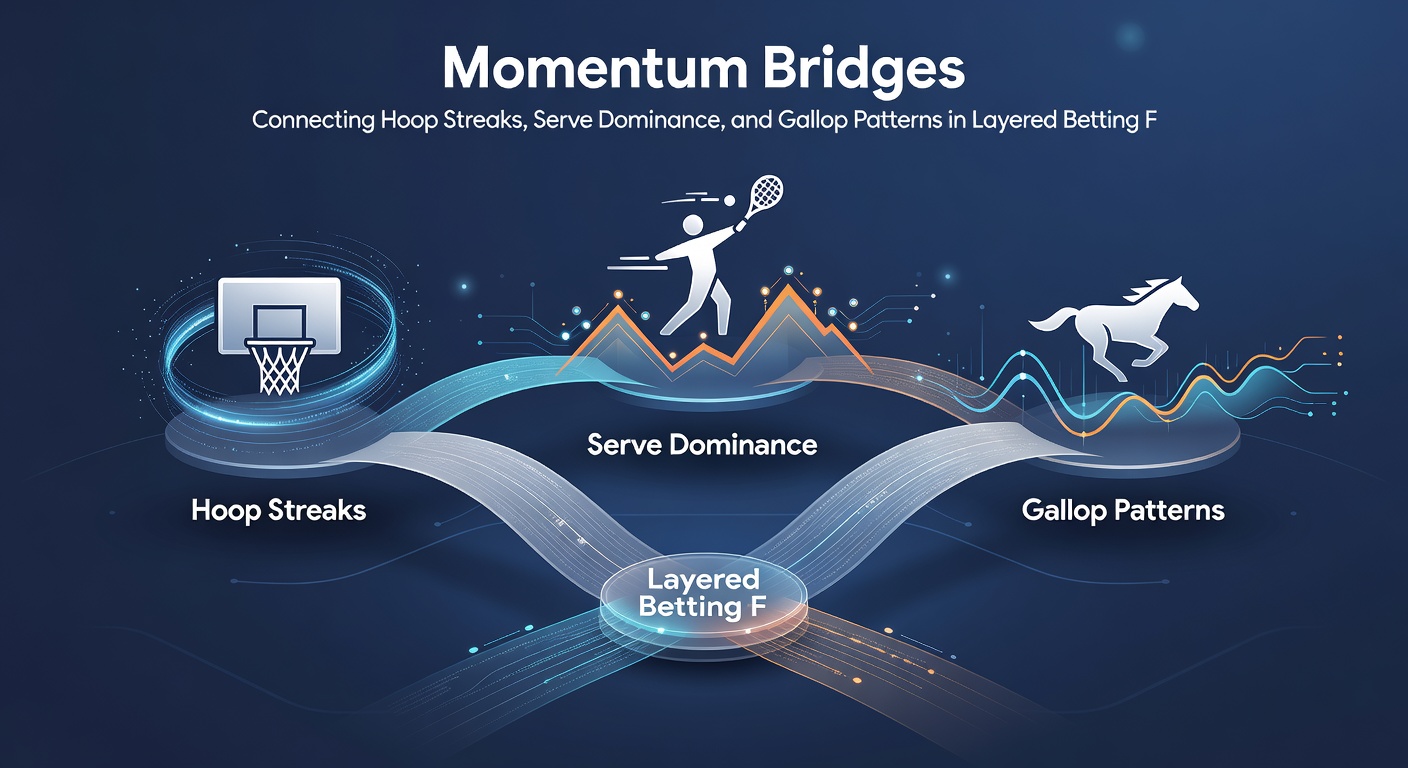
Frameworks emerge when operators combine these indicators into sequential legs that begin with basketball team performance, move through tennis serve consistency, and conclude with racing gallop confirmation, and software tools now automate the correlation checks that once required manual spreadsheet work. In May 2026, several platforms introduced real-time dashboards that flag overlapping momentum windows across the NBA playoffs, European clay-court tournaments, and Australian winter racing carnivals, allowing users to monitor alignment without switching between separate data feeds.
One documented approach involves weighting each leg according to the strength of its supporting metrics: a basketball side on a six-game run receives higher allocation than a tennis player whose serve numbers sit near seasonal averages, while the racing selection functions as a stabilizer because gallop data tends to show lower variance once sectional benchmarks are met. Studies published by sports analytics groups demonstrate that such calibrated layering reduces drawdown frequency compared with single-sport accumulators, although the exact reduction depends on the chosen events and market liquidity.
External data sources contribute additional context; for instance, NCAA performance archives supply historical basketball streak distributions that complement ATP statistical summaries, and these combined datasets help refine probability estimates before finalizing any multi-leg structure. Industry reports from organizations focused on equine performance further validate gallop thresholds, creating a cross-verified foundation that supports the overall framework.
Observing Integration Across Regions and Seasons
Regional differences appear when North American basketball schedules overlap with European tennis circuits and Southern Hemisphere racing festivals, yet the core momentum signals remain comparable once adjusted for time zones and surface types. Data compiled through university-led research projects indicates that correlations between basketball win streaks and tennis hold percentages strengthen during periods of consistent scheduling, which occurs regularly in late spring when multiple major events run concurrently.
Practitioners apply filters that exclude selections lacking clear momentum alignment, thereby concentrating exposure on the most coherent combinations and preserving capital for subsequent opportunities. This selective method has gained traction among professional syndicates that publish aggregate performance metrics without disclosing proprietary weighting algorithms.
Conclusion
Momentum bridges function as analytical connectors that link basketball hoop streaks, tennis serve dominance, and horse racing gallop patterns into coherent layered frameworks; the approach relies on verifiable performance clusters rather than isolated results, and continued development of integrated data platforms supports its application across expanding event calendars. As tracking tools evolve, observers expect further refinement in how these patterns combine to structure multi-sport wagering positions.