Layered Performance Analysis in Tennis Basketball and Equine Sports
Written by Ulrich Friedrich · Aug 12, 2026
Layered Performance Analysis in Tennis Basketball and Equine Sports
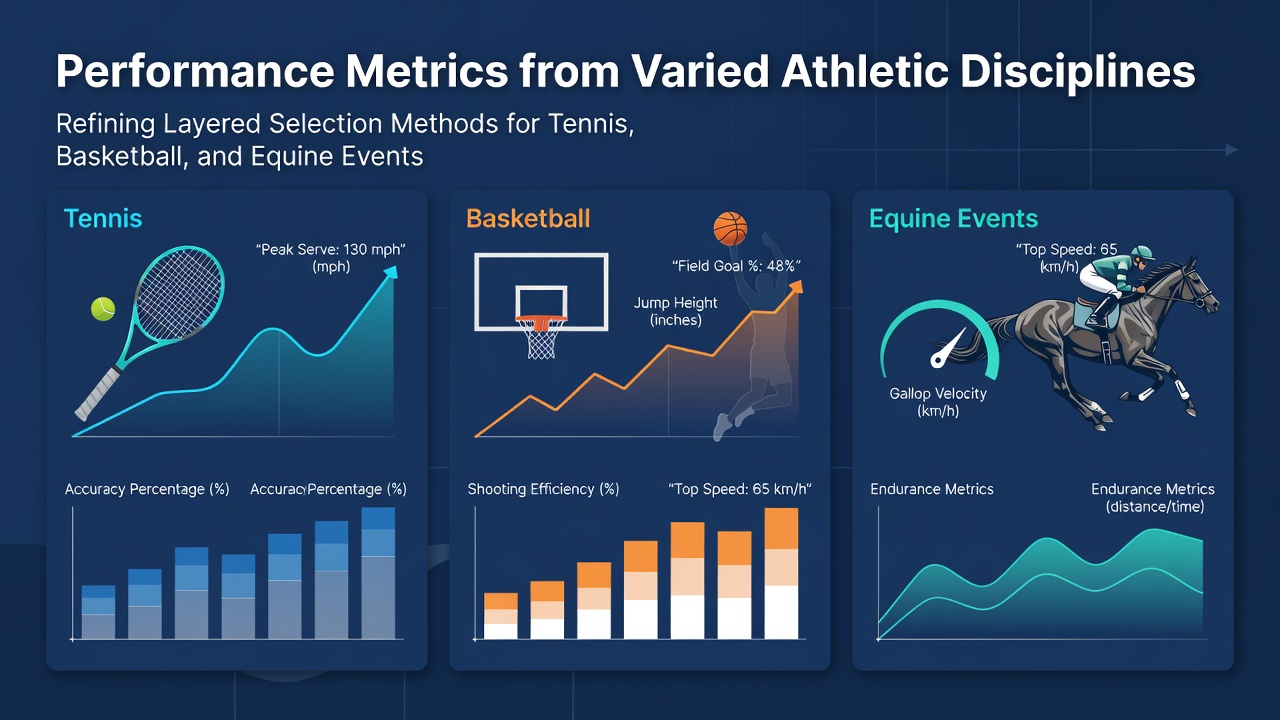
Performance metrics in tennis basketball and equine events have evolved into structured systems that combine multiple data layers for selection decisions and observers note that these approaches draw from biomechanical studies physiological monitoring and competition records to identify consistent patterns across disciplines. Researchers at institutions like the Australian Institute of Sport have documented how first-serve win percentages combined with rally endurance data help refine player evaluations in tennis while similar layered frameworks apply to basketball shooting efficiency and defensive positioning metrics as well as equine stride length and recovery times in racing events.
Core Metrics in Tennis Selection
Data from professional circuits shows that ace rates and break point conversion percentages form initial layers in player assessments yet analysts often integrate second-tier indicators such as unforced error frequency under fatigue and movement efficiency tracked via wearable sensors. Studies conducted through the International Tennis Federation reveal that athletes maintaining above 65 percent first-serve points won across varied court surfaces demonstrate stronger selection outcomes when those figures align wth rally length averages exceeding eight shots. Observers have noted that August 2026 tournaments highlighted cases where players with balanced metrics in both power and consistency advanced further in draws compared to those relying on single-stat dominance.
Basketball Performance Layering
Basketball selection processes incorporate shooting percentages from multiple ranges alongside assist-to-turnover ratios and defensive impact scores derived from tracking systems. According to reports from the National Collegiate Athletic Association programs that layer these elements with player load management data achieve more accurate identification of athletes suited for high-intensity roles. Evidence indicates that guards posting field goal efficiencies above 48 percent while sustaining assist ratios near 3-to-1 often pair effectively with forwards whose rebounding metrics exceed 10 per game when adjusted for minutes played. These combined layers help coaching staffs distinguish between isolated hot streaks and sustained contributions across full seasons.
Equine Event Evaluation Frameworks
Equine selection in racing and eventing relies on layered metrics that start with raw speed figures and extend to stride frequency recovery heart rate data and course adaptability records. Figures from veterinary research groups in Canada and the European Union demonstrate that horses recording sub-12 second furlong splits paired with post-race lactate clearance under 25 minutes per liter tend to show improved consistency in subsequent starts. Trainers apply additional filters such as surface preference correlations and injury history timelines to narrow candidate pools for specific competitions while maintaining focus on objective physiological benchmarks rather than anecdotal observations.
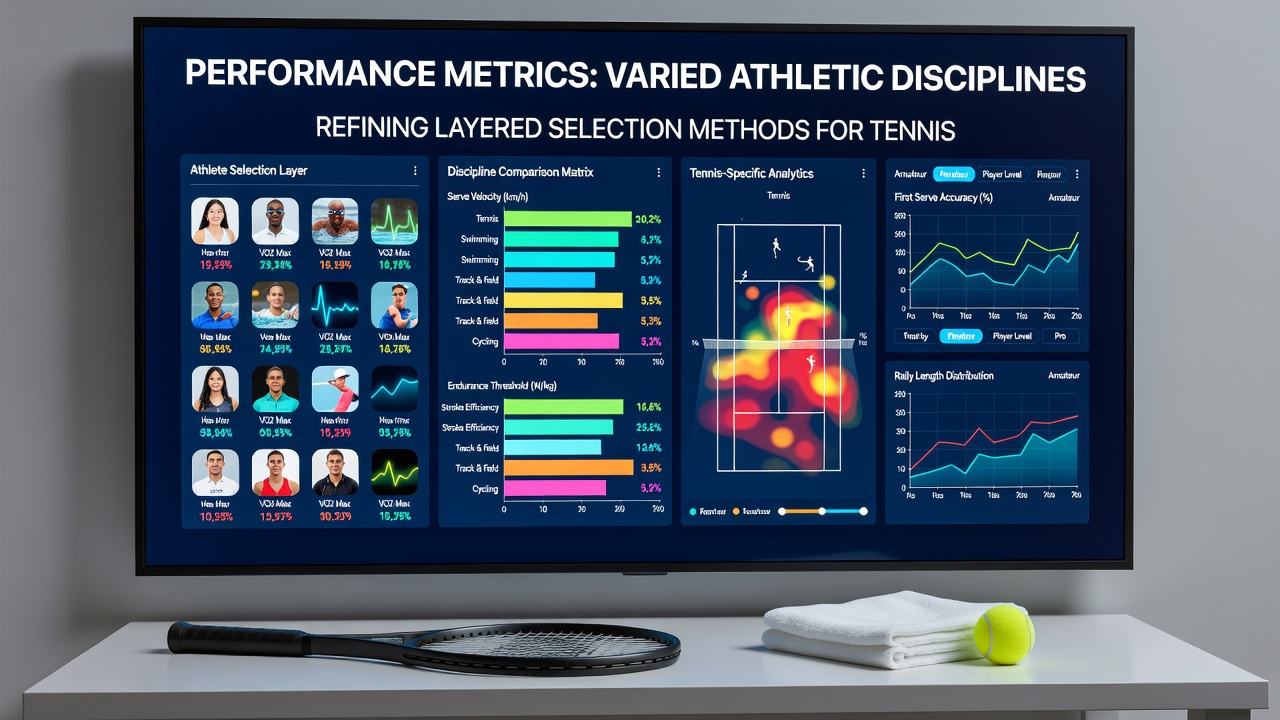
Cross-discipline comparisons highlight shared principles where initial quantitative layers receive refinement through contextual variables such as opponent strength or track conditions. One study from a major university sports science department found that integration of video analysis with sensor data reduced selection variance by measurable margins across test groups of athletes and equine competitors alike. Practitioners report that these methods require regular recalibration as equipment and training techniques advance yet the core structure of building from foundational stats to integrated profiles remains stable.
Integration Challenges and Data Sources
Coordinating metrics across tennis basketball and equine events presents logistical hurdles because each sport operates under distinct governing bodies and data collection standards. Government sports agencies in the United States and Australia have published guidelines recommending standardized reporting formats that allow selectors to compare layered profiles without introducing subjective weighting. Recent updates effective in mid-2026 emphasize transparency in how recovery metrics and workload indicators factor into final decisions which helps maintain consistency across different athletic populations.
Those who apply these methods often reference case examples where single-metric reliance led to overlooked candidates while multi-layer reviews identified performers with stronger long-term trajectories. Data from longitudinal tracking programs supports the view that athletes and horses evaluated through combined performance indicators maintain competitive edges over extended periods when compared to peers assessed through narrower criteria.
Conclusion
Layered selection methods continue to develop through ongoing research and cross-sport data sharing that connects tennis basketball and equine performance indicators into unified frameworks. Organizations tracking these developments report steady improvements in identification accuracy when foundational statistics receive support from physiological and contextual layers. Continued refinement of these approaches depends on access to reliable multi-source datasets and consistent application across varied competitive environments.