Climatic Patterns Shape Event Planning Across Athletic Surfaces
Written by Rafael Simmons · May 17, 2026
Climatic Patterns Shape Event Planning Across Athletic Surfaces
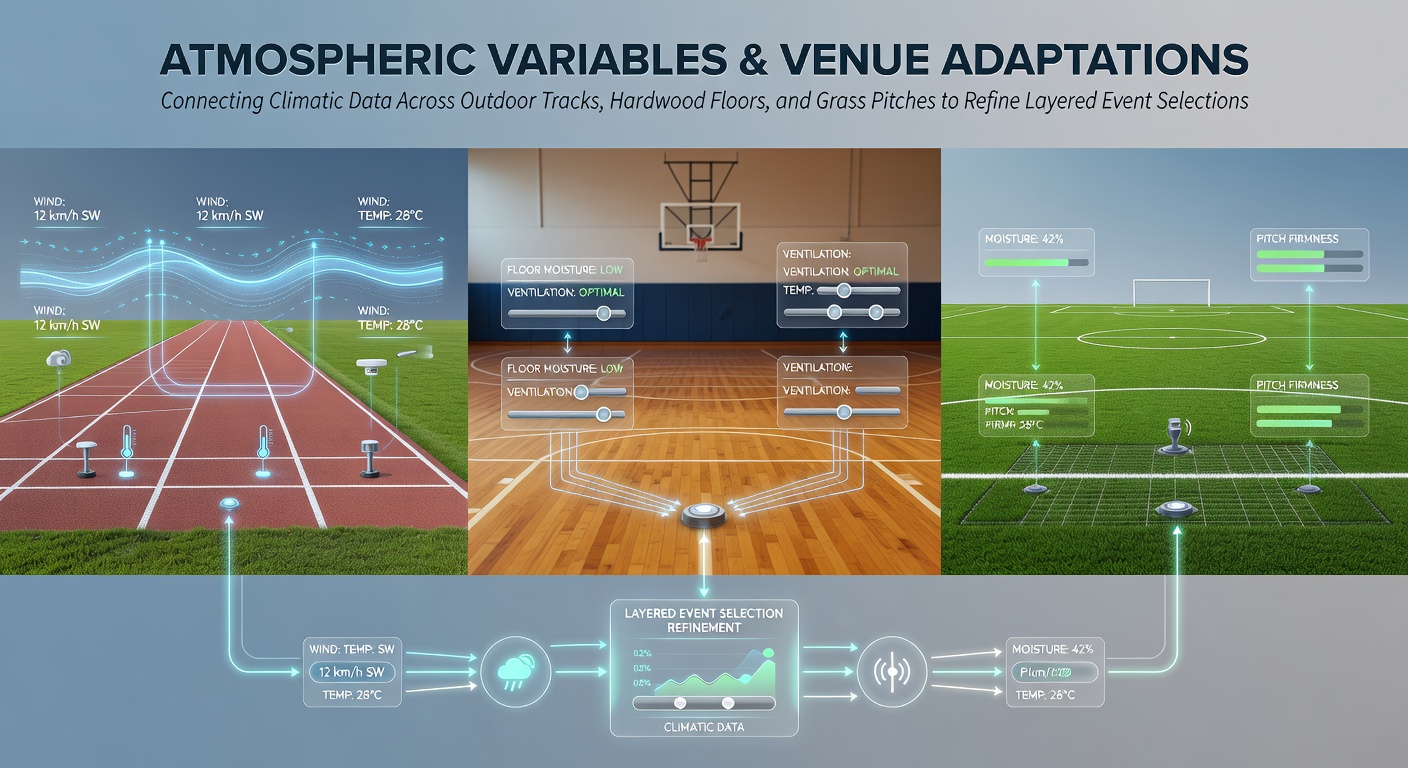
Atmospheric variables such as temperature fluctuations, humidity levels, wind speeds, and precipitation patterns exert measurable influences on different athletic surfaces, prompting organizers to refine their approaches to layered event selections throughout spring and into May 2026. Researchers track these elements across outdoor tracks, indoor hardwood floors, and grass pitches to identify optimal windows for competitions while minimizing disruptions from environmental shifts.
Tracking Conditions on Outdoor Surfaces
Outdoor tracks experience direct exposure to changing weather systems that alter track hardness, grip consistency, and overall safety margins for athletes. Data collected by meteorological networks reveal how rising spring temperatures in 2026 accelerate surface drying on synthetic materials, which in turn affects stride lengths and injury risks during sprint events. Organizers integrate real-time readings from regional weather stations to adjust start times and implement hydration protocols that align with forecasted humidity spikes.
Wind patterns introduce another variable that demands careful calibration, especially on exposed circuits where cross breezes can influence lane assignments and performance benchmarks. Studies from environmental monitoring programs demonstrate consistent correlations between sustained gusts above certain thresholds and measurable declines in recorded times, leading event planners to prioritize sheltered venues or reschedule segments accordingly.
Humidity Effects on Hardwood Floors
Indoor hardwood floors respond differently yet remain sensitive to atmospheric moisture that permeates facilities despite climate control systems. Elevated humidity during transitional months causes wood expansion that modifies ball bounce dynamics and player traction in basketball and volleyball settings. Maintenance teams monitor dew point levels to apply targeted sealants and ventilation adjustments that preserve consistent playing characteristics across multiple events.
Facilities managers have documented how rapid temperature drops combined with high moisture content accelerate surface warping in older arenas, prompting preemptive inspections before major tournaments. These adaptations ensure that event selections favor locations equipped with advanced HVAC monitoring capable of maintaining equilibrium even as external conditions fluctuate in early summer periods.
Grass Pitches and Precipitation Responses
Grass pitches present unique challenges because natural turf reacts immediately to rainfall volumes, soil saturation, and evaporation rates influenced by wind and sunlight exposure. Agricultural extensions and turf science reports indicate that prolonged wet spells in late spring soften root zones, increasing slip hazards and slowing ball roll during football and rugby matches. Groundskeepers now employ sensor networks that feed soil moisture data directly into scheduling software used for layered event planning.
Conversely, extended dry intervals compact soil and reduce grass resilience, leading to dust generation that affects visibility and respiratory comfort for participants. Venues in variable climates have adopted hybrid grass systems reinforced with synthetic fibers to buffer against these extremes, allowing organizers to maintain fixture lists without frequent postponements.
Connecting Data Streams for Smarter Selections
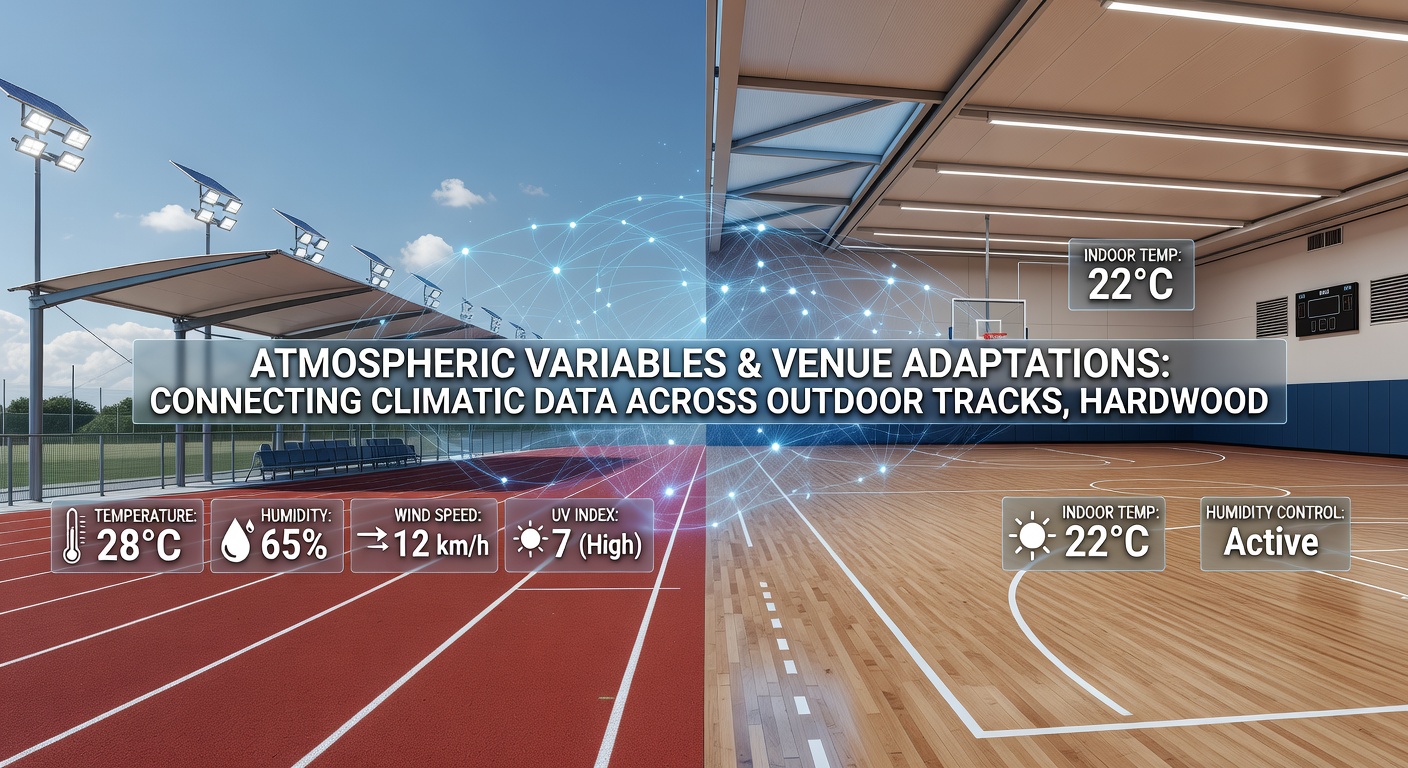
Event coordinators increasingly merge climatic datasets from multiple surface types to create comprehensive selection frameworks that prioritize venues least susceptible to disruption. Integration platforms combine satellite observations with on-site sensors, producing forecasts that highlight periods when combined conditions across tracks, courts, and pitches support uninterrupted programming. This approach gained traction following collaborative projects between sports federations and atmospheric research centers that supplied standardized metrics for cross-surface analysis.
One notable initiative involves linking temperature thresholds on outdoor tracks with humidity tolerances on hardwood installations and moisture limits on grass fields, enabling predictive models that flag potential conflicts weeks ahead. Such systems reduce last-minute adjustments while supporting athlete welfare standards that account for cumulative environmental stresses over multi-day competitions.
Practical Adaptations in 2026 Programming
Venues hosting layered events in May 2026 have implemented modular scheduling that reserves flexible slots for surface-specific maintenance based on incoming atmospheric alerts. For instance, tracks receive additional irrigation or shading treatments during heatwaves, while grass pitches undergo aeration cycles timed to precede heavy rain forecasts. Hardwood facilities meanwhile deploy dehumidification boosts calibrated against regional pollen and moisture indices to protect floor integrity.
These measures draw from longitudinal records compiled by international sports organizations that track how small adjustments yield measurable improvements in event completion rates. Observers note that facilities adopting integrated climatic monitoring report fewer weather-related delays compared with those relying on isolated forecasts for individual surfaces.
Conclusion
Atmospheric variables continue to drive refinements in how organizers approach venue adaptations across diverse athletic environments. By connecting climatic data from outdoor tracks, hardwood floors, and grass pitches, event planners develop layered selection strategies that enhance reliability and participant safety. Ongoing advancements in sensor technology and predictive modeling support these efforts, ensuring competitions proceed under conditions aligned with surface performance characteristics well into future seasons.