Britain's High-Stakes Shift: Betting Trends Reshaping the Nation's Wagering World
Written by Ulrich Friedrich · Apr 17, 2026

UK Gambling Commission Urged to Halt Financial Risk Assessment Pilot Amid Transparency and Industry Impact Concerns
The Open Letter Sparks Debate
Dr. James Noyes, serving as a senior fellow at the Social Market Foundation, penned an open letter to Culture Secretary Lisa Nandy in April 2026, calling on the UK Gambling Commission (UKGC) to immediately suspend its ongoing pilot on financial risk assessments; he highlighted a troubling lack of transparency surrounding the program's data, inconsistent results emerging from early tests, and the looming threat of disproportionate harm to horse racing bettors who might flock to black market alternatives, potentially costing the sector tens of millions in lost revenue.
What's interesting here is how this letter lands right as whispers of full approval circulate within regulatory circles, with no comprehensive public evaluation released since the pilot kicked off back in September 2024, and barely an update trickling out after spring 2025; observers note that such timing raises eyebrows, especially given the pilot's design as a two-tier system aimed at spotting gambling harm without demanding reams of personal financial documents from players.
Industry voices echo Noyes' push for pause, as groups like the British Horseracing Authority rally behind the call, emphasizing the need for a thorough review before any nationwide rollout that could reshape betting behaviors in ways regulators haven't fully mapped out.
Background on the Pilot Scheme
The UKGC launched this pilot scheme on financial risk assessments in September 2024, testing mechanisms to identify at-risk gamblers through affordability checks that avoid the heavy lift of collecting bank statements or income proofs; instead, operators under trial implement a two-tier approach, starting with softer indicators like deposit patterns and escalating only when red flags wave high, all in a bid to balance harm prevention with player privacy.
But here's the thing: since that rollout, the public sphere has seen scant details on how it's performing, with the last notable update fading into spring 2025 and no full evaluation hitting the wires by April 2026, even as speculation builds that green lights for broader implementation hover just around the corner; data from the pilot remains patchy, fueling claims of inconsistency that Noyes details in his letter, where he points to varying outcomes across operators that muddle any clear picture of effectiveness.
Those who've tracked similar regulatory experiments know that transparency gaps like these often breed skepticism, particularly when stakes run high for sectors like horse racing, where bettors represent a core revenue stream; figures circulating suggest a shift to unregulated black market options could slash legitimate wagering by tens of millions, hitting tracks and bookmakers alike in a vulnerable economic climate.
Key Concerns Raised by Dr. Noyes
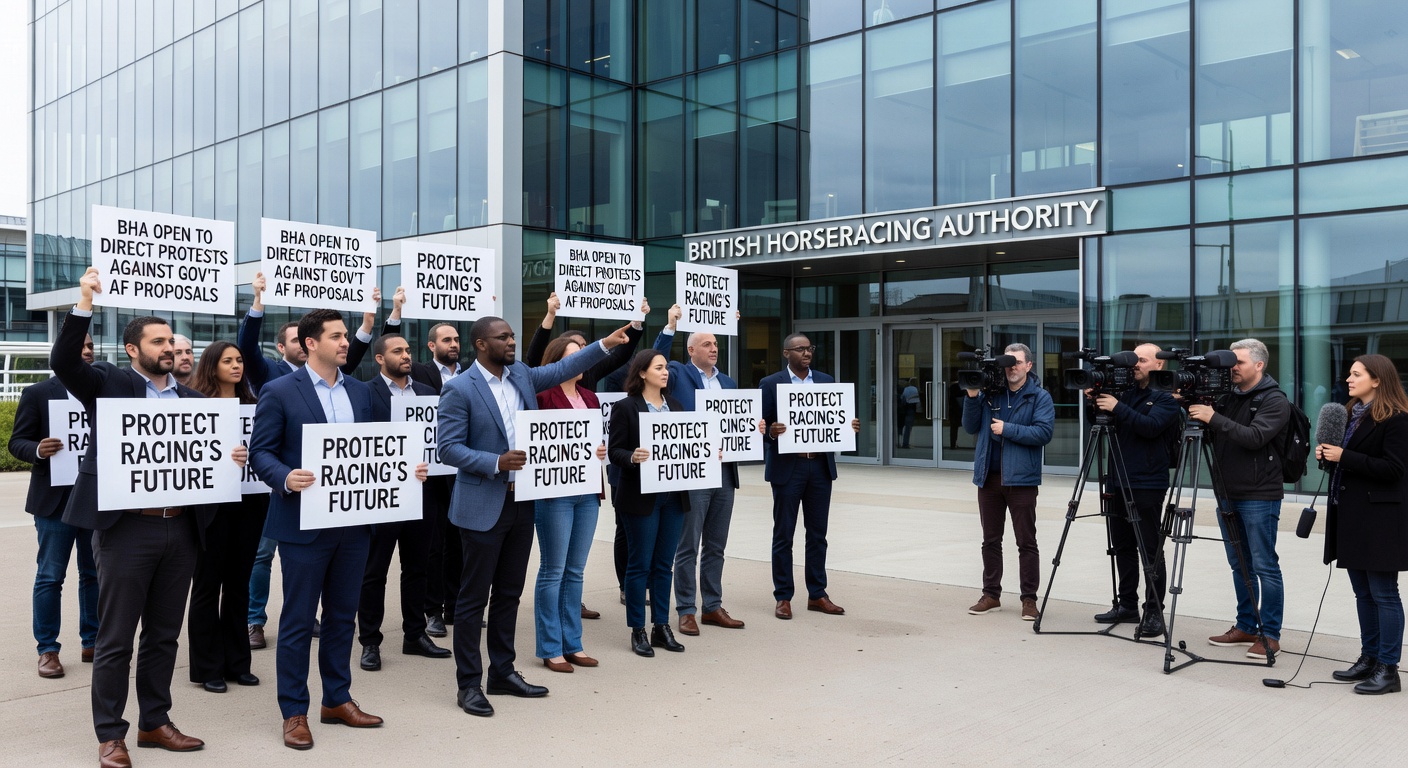
Dr. Noyes lays out his case methodically in the open letter, zeroing in on the absence of transparent data releases that leave stakeholders guessing about the pilot's real-world bite; inconsistent findings across participating firms, he argues, undermine confidence in scaling up, while the potential for horse racing punters to dodge checks by turning underground paints a stark revenue cliff, with estimates pegging losses in the tens of millions that could ripple through jobs, events, and supply chains tied to the sport.
And yet, the pilot's architects at the UKGC position it as a smarter path forward, detecting harm signals without invasive paperwork that past versions demanded; still, without fresh evaluations, experts have observed how such programs risk unintended squeezes on casual bettors, especially in racing where high-stakes accumulators and live wagers form the lifeblood, prompting Noyes to urge Culture Secretary Nandy for intervention before decisions lock in.
Take the British Horseracing Authority's stance, for instance: they back the suspension call wholeheartedly, citing data patterns that suggest racing fans, often wagering larger sums on race days, face outsized disruption; this alignment between think-tank analysis and industry heavyweights underscores a rare consensus, one that's gaining traction as April 2026 unfolds with regulatory deadlines looming.
Industry Implications and Broader Context
Horse racing stands particularly exposed in this scenario, as bettors there chase the thrill of multi-leg bets and in-play action that financial checks might crimp; Noyes warns that black market migration wouldn't just erode taxable revenue but also strip away harm protections entirely, creating a lose-lose where regulators' goals backfire spectacularly.
Turns out, the pilot's two-tier setup—light-touch monitoring first, deeper probes only for high-risk cases—promised a middle ground, yet patchy data has observers questioning if it's delivering uniformly; since spring 2025's last whisper of progress, silence has reigned, and with possible approval on the horizon in 2026, the letter arrives as a timely brake pedal, urging a step back for rigorous scrutiny.
People in the sector, from track operators to bookie execs, often point out how racing's ecosystem thrives on steady shop and online flows, so any dip from compliance fears hits hard; the Social Market Foundation's involvement adds intellectual heft, given their track record dissecting policy impacts, making Noyes' voice one that policymakers can't easily sideline.
Now, as Culture Secretary Nandy weighs the plea, the ball's in the UKGC's court to address these gaps, perhaps by fast-tracking that overdue evaluation or sharing interim stats that paint a fuller picture; without such moves, support for pausing builds, with horseracing authorities leading the charge alongside think-tank critiques.
Timeline and Regulatory Path Forward
September 2024 marked the pilot's debut, rolling out across select operators to trial the document-light risk model; by spring 2025, initial feedback surfaced but stopped short of full analysis, leaving a vacuum that's persisted into April 2026, just as expansion talks heat up.
Noyes' letter, directed straight to Nandy, amplifies calls for suspension until transparency reigns and data inconsistencies iron out, a move that could buy time for horse racing to adapt without revenue hemorrhaging to shadows; industry groups nod along, their backing signaling broad unease over unvetted nationwide checks.
It's noteworthy that this unfolds against a backdrop of evolving UK gambling rules, where affordability pilots test the waters for safer betting, yet stumble on execution details; researchers who've studied prior schemes note how rushed rollouts invite backlash, much like the dynamics playing out now.
So, with the UKGC holding the reins, responses to the letter will shape whether the pilot pauses for review or charges ahead, potentially reshaping how millions wager on tracks nationwide.
Conclusion
Dr. James Noyes' open letter to Culture Secretary Lisa Nandy crystallizes mounting pressures on the UK Gambling Commission to suspend its financial risk assessment pilot, spotlighting transparency voids, data wobbles, and horse racing's precarious revenue ledge; as April 2026 brings the issue to a head, with no full evaluation since spring 2025 and approval whispers growing louder, industry allies like the British Horseracing Authority bolster the pause plea, stressing black market risks that could drain tens of millions from legitimate channels.
The two-tier system's promise of harm detection minus financial deep dives hangs in balance, yet without clearer data flows, skepticism persists among experts and stakeholders alike; ultimately, how regulators respond—rushing evaluations or hitting suspend—will dictate the next chapter for UK betting's regulatory evolution, particularly for racing enthusiasts whose wagers fuel a vital sector.