BHA Opens Door to Direct Protests Against Punters' Affordability Checks as Racing Unity Builds
Written by Alex Schmidt · Apr 19, 2026

BHA Opens Door to Direct Protests Against Punters' Affordability Checks as Racing Unity Builds
The Growing Backlash in British Horseracing
Observers note how the British Horseracing Authority (BHA) has signaled readiness for more direct protests against proposed affordability checks on punters, measures that could impact up to 120,000 regular gamblers by requiring personal financial documentation like bank statements or credit reports; this stance emerges just weeks after a successful industry campaign halted a betting tax rise, proving collective action can sway policy. And while the Gambling Commission holds the final say next month, over 400 figures from racing—trainers, jockeys, owners—have urged Culture Secretary Lisa Nandy to step in, warning that such checks threaten the sport's financial lifeline amid a sharp £2 billion drop in betting turnover since 2021.
What's interesting here is the BHA's shift toward bolder tactics; chief executive Brant Dunshea emphasized the industry's rare unity during a recent statement, pointing out how stakeholders from tracks to bookmakers stand shoulder-to-shoulder, ready to escalate if needed. That said, experts who've tracked these debates highlight how affordability checks, designed to curb gambling harm, often backfire by pushing bettors toward unregulated black market operators where protections vanish entirely.
Take the recent letter to Nandy, signed by heavyweights like top trainers and the Racehorse Owners Association; it lays bare the risks, arguing that intrusive checks not only deter casual punters but erode the levy system that funnels millions back into racing prizes and upkeep. Figures reveal this isn't hype—the sport's funding has shrunk as turnover plummets, with data showing a 20% decline in gross gambling yield from horseracing bets over the past few years.
Background on the Affordability Checks Proposal
These checks stem from broader Gambling Act reforms, where regulators aim to verify a punter's ability to afford losses before allowing higher stakes; punters netting over £150 monthly might face scrutiny, and those with adverse credit could hit limits, a process that demands sharing sensitive financial data with operators. But here's the thing—industry analysts point to pilot programs in other sectors, like online slots, where similar friction led to a 10-15% drop in activity among low-risk players, while high-rollers simply migrated offshore.
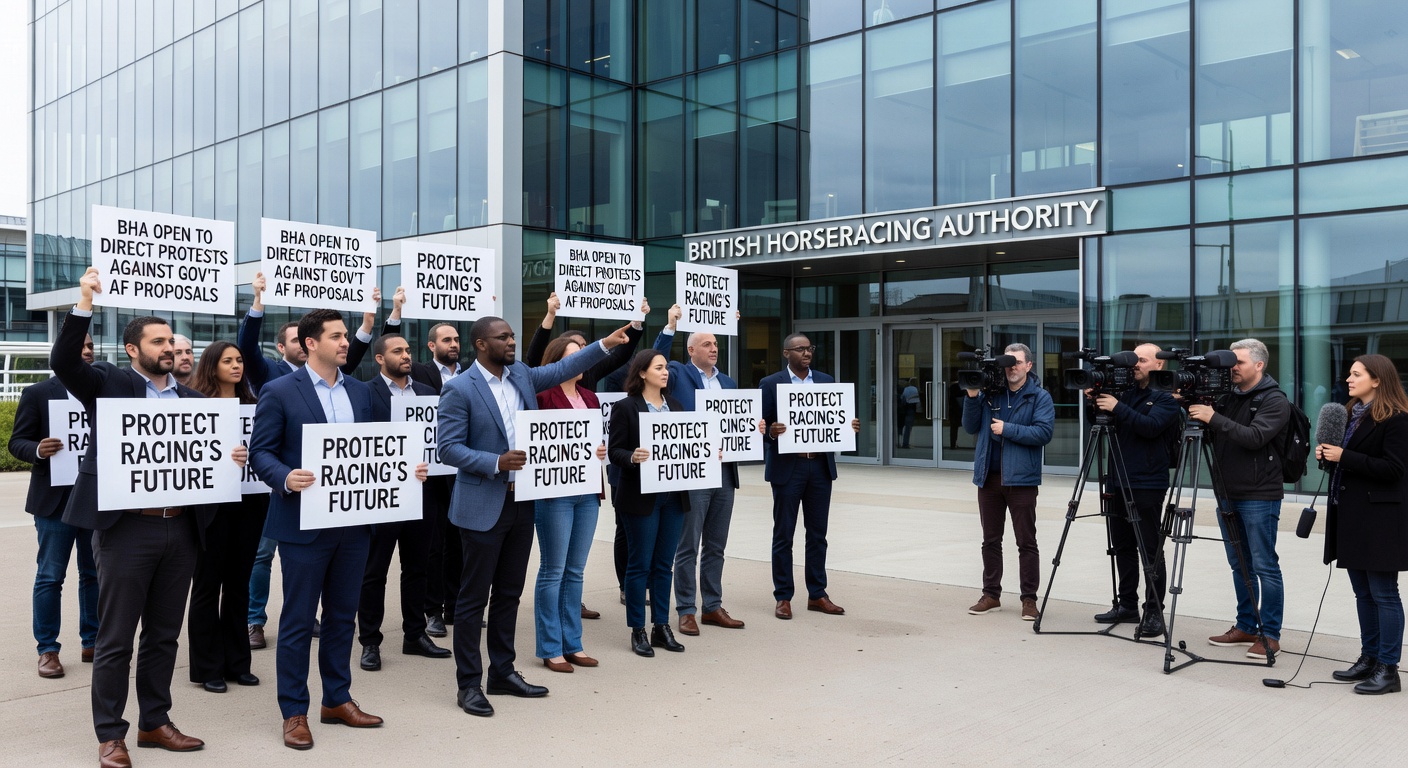
And in horseracing, where betting drives 80% of revenues, the stakes feel sky-high; observers recall how the BHA rallied against the tax rise last year, flooding Parliament with submissions and public campaigns that forced a rethink, saving the sector an estimated £100 million annually. Now, with the Gambling Commission's decision looming in May 2026, Dunshea told reporters the ball's in the government's court, but unity remains ironclad, poised for street protests or trackside demonstrations if talks falter.
People who've studied black market trends note a troubling pattern—since 2021's turnover dip, unlicensed sites have surged, luring UK punters with no checks and higher odds; one report flagged a 30% uptick in offshore traffic from Britain, where bettors chase the freedom of unregulated play. That's where the rubber meets the road for racing, as levy income—pegged at 10% of bets—has fallen from £100 million to under £80 million yearly, squeezing prize money and rural jobs.
Industry Voices and Economic Ripples
BHA's Dunshea didn't mince words, stating the industry won't stand idle as checks threaten livelihoods; he credited the tax campaign's win to grassroots mobilization, where owners picketed Westminster and social media amplified the message, gathering 50,000 signatures in weeks. Yet now, with affordability rules advancing despite consultations, over 400 signatories—including champions like Nicky Henderson—pressed Nandy for a pause, citing evidence from Gambling Commission data that shows low-harm punters bear the brunt of restrictions.
Turns out, research indicates recreational bettors, who wager modestly on races like Cheltenham or Ascot, form the 120,000 at risk; they often lose small amounts but fuel volume, and checks could slash their participation by half according to modeling from the Betting and Gaming Council. So while harm prevention drives the policy, critics like the BHA argue it misses the mark, ignoring how black market apps offer anonymity and no caps, drawing in vulnerable players without safeguards.
One case stands out from recent hearings—a northern trainer shared how his yard's funding dried up post-2021, forcing layoffs as bookie partnerships waned; multiplied across 5,000 horses and 60 tracks, the math spells crisis. And with April 2026's spring festivals approaching, punter confidence hangs in balance, as whispers of protests gain traction—imagine empty stands at Newmarket if checks roll out unchecked.
Previous Victories and Path Forward
The tax rise reversal sets a blueprint; back in late 2025, racing united against a proposed 1% levy hike on operators, launching ads that blanketed Sky Sports and talkSPORT, while MPs tabled amendments citing levy shortfalls. Result? Government backed down, preserving cashflow just as economic headwinds bit harder. Dunshea hailed it as proof of leverage, noting how fragmented groups coalesced into a powerhouse lobby.
But this fight differs—affordability ties into white paper promises from 2023, with the Commission fast-tracking despite pushback; stakeholders met ministers last month, yet signals suggest minimal tweaks ahead. Observers who've followed the saga point to Northern Ireland's softer regime, where no checks apply and betting thrives, as a model worth emulating.
Experts observe how punter surveys reveal frustration—60% call checks "intrusive," per a recent poll, preferring self-exclusion tools over financial deep dives. And as the BHA weighs direct action, from rallies outside Commission offices to boycotts of select bookies, the message rings clear: racing won't fade quietly.
Conclusion
In April 2026, as the Gambling Commission's verdict nears, the BHA's openness to protests underscores a pivotal moment for British horseracing, where unity forged in past wins now eyes bolder steps against affordability checks threatening 120,000 punters and a fragile economy; with £2 billion in lost turnover as backdrop, over 400 voices call on Lisa Nandy to intervene, lest black market shadows lengthen while legitimate betting withers. The industry's resolve, led by Dunshea's steady hand, signals that while regulators push forward, racing pushes back harder, determined to safeguard its future amid the fray.